




Do not hesitate to ask us all the questions you have in mind, we are just a click away for all kinds of questions and information. Call us now and let us answer your questions.
Cetyl Stearyl Alcohol 30/70 | Cetearyl Alcohol 30/70
Price range: 345.00 ₺ through 495.00 ₺
Cetyl Stearyl Alcohol, is a mixture of fatty alcohols (cetyl and stearyl) and is often used as an emulsifier, thickener and stabilizer in cosmetics and personal care products. It has emollient properties and improves the texture of products by providing moisture to the skin.
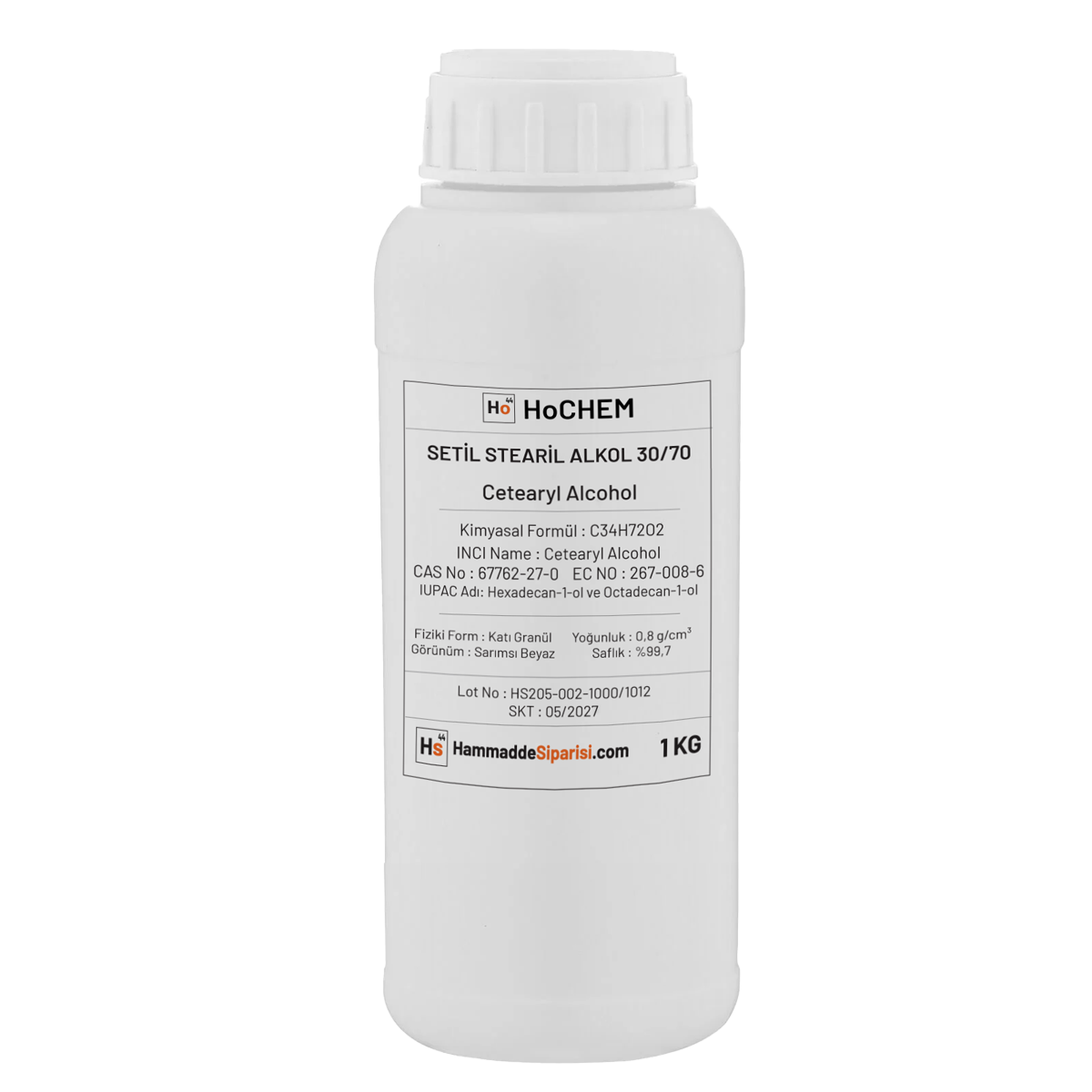
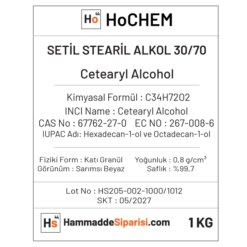
Chemical Name: Cetyl Stearyl Alcohol
INCI Name: Cetearyl Alcohol
PEARL Name: Cetearyl Alcohol
General Trade Name: Cetostearyl Alcohol
English Name: Cetearyl Alcohol
Turkish Name: Cetyl Stearyl Alcohol
CAS Number: 67762-27-0
EC Number: 267-008-6
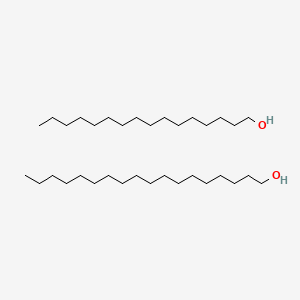
IUPAC Name: Hexadecan-1-ol and Octadecan-1-ol
E-Code: None (Not used as a food additive)
Cetyl Stearyl Alcohol – Cetearyl Alcohol General Information
Chemical Name: Cetyl Stearyl Alcohol, Alcohols C16-18
INCI Name: Cetearyl Alcohol
PEARL Name: Cetearyl Alcohol
General Trade Name: Cetostearyl Alcohol
English Name: Cetearyl Alcohol
Turkish Name: Cetyl Stearyl Alcohol
CAS Number: 67762-27-0
EC Number: 267-008-6
IUPAC Name: Hexadecan-1-ol and Octadecan-1-ol
E-Code: None (Not used as a food additive)
1. Brief Description of Cetyl Stearyl Alcohol
Cetyl Stearyl Alcohol, is a mixture of fatty alcohols (cetyl and stearyl) and is often used as an emulsifier, thickener and stabilizer in cosmetics and personal care products. It has emollient properties and improves the texture of products by providing moisture to the skin.
2. Cetyl Stearyl Alcohol Areas of Use and Usage Rates
Areas of Use:
- Cosmetic Products:
- Creams and Lotions: Used as a moisturizer, emulsifier and thickener. Gives a soft feeling to the skin.
- Shampoo and Conditioner: Used to soften the hair and facilitate combing.
- Lipstick and Lip Balm: Gives the product a smooth texture and increases the melting point.
- Skin Care Masks: Improves the stability and creamy texture of the product.
- Pharmaceutical Products:
- Ointments: It is used in formulations as an emulsifier and base.
- Topical Creams: Increases stability and regulates absorption properties.
- Industrial Use:
- Cleaning Products: As foam control and density regulator.
- Candle Production: To ensure surface smoothness.
Usage Rates:
- Moisturizing Creams and Lotions: %1-5
- Shampoo and Conditioners: %0.5-3
- Lipstick and Lip Balm: %2-10
- Pharmaceutical Ointments: %5-15
- Industrial Products: %1-10 (formulation dependent)
3. Cetyl Stearyl Alcohol Physical Properties
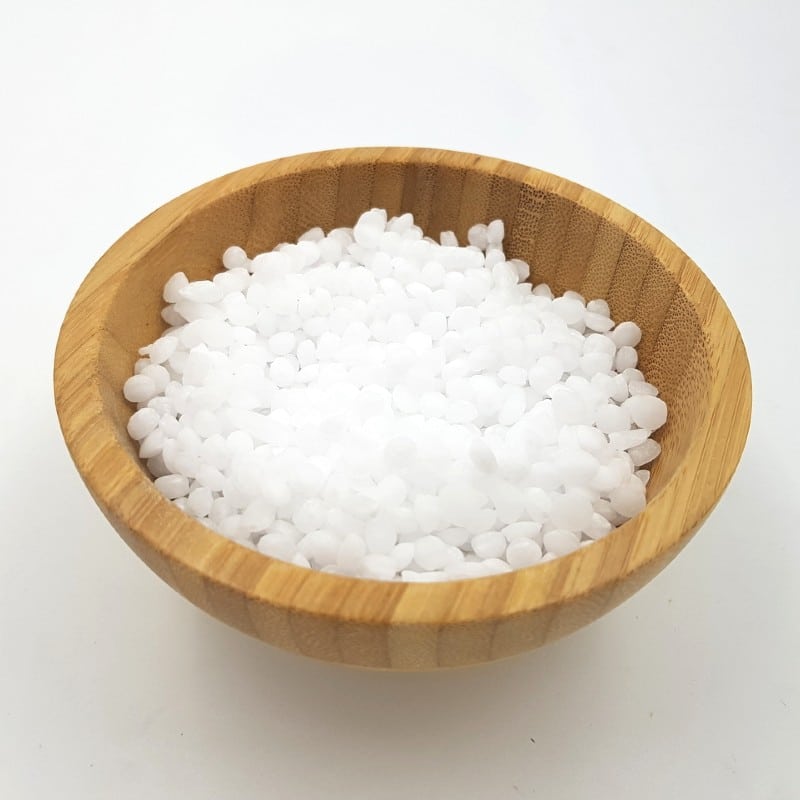
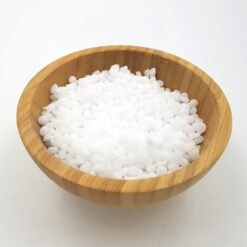
- Appearance: White or slightly yellowish, wax-like solid
- Smell: A slight, characteristic odor
- Melting Point: 49-55°C
- Resolution: Insoluble in water, soluble in oils and alcohol
- pH (in 1% solution): Neutral (6.0-7.5)
- Intensity: ~0.80 g/cm³
4. Cetyl Stearyl Alcohol Chemical Properties and Molecular Formula
- Molecular Formula:C34H72HE2
- Chemical Structure: Mixture of saturated chain fatty alcohols
- Stability: Stable, light and heat resistant
- Reactivity: Inert with most chemicals.
5. Cetyl Stearyl Alcohol Other Names
Turkish Alternative Names: Cetostearyl Alcohol, Cetyl-Stearyl Alcohol
English Alternative Names: Cetostearyl Alcohol, C16-18 Fatty Alcohol
Cetyl Stearyl Alcohol Trade Names:
(C16-C18) Alkyl alcohol, Alcohols, C16-18, CETANOL H, CETANOL SP-D50, Cetearyl alcohol, CETOSTEARYL ALCOHOL, Cetostearyl alcohol, CETOSTEARYL ALCOHOL M, Cetyl Stearyl Alcohol, COSEMUL CS 30/70
ALCOOL STEARYLIQUE, Cremophor® A 6, Crodacol S95, DOW CORNING® 580 WAX, DUB SC 20G, EMULGATOR E 2155, Forlan L, Forlan LM, Gransil ORB-5CS, Gransil ORB-III, Gransil ORB-III-5CS, HALLSTAR® CO-1895 STRYL ALC NF, Jeecol SA-100, Jeecol ST-20-G, KALCOL® 8098, KeraTint EZ, LANETTE 18, LANETTE® 18, LANETTE® 18 DEO, Lipocol® S, Lipocol® S-DEO, Lipowax® G, Mackadet CBC, NACOL 1898;1698, PROCOL ST -20-G, ProLipid® 151, Promulgen G nonionic Emulsifier, ProzymexTM HBT LS 9142, Rita SA, Ritamulse SBL, Ritapro 200, SABOWAX CS 6, Stearyl Alcohol NF, STEPANQUAT® DC1, TEGO Alkanol 18
6. Useful Links
- PubChem Profile: Cetearyl Alcohol (PubChem)
- ECHA Information: ECHA European Chemicals Agency
7. Product Safety and Storage Information
Security Information:
- Inhalation: Avoid breathing products in dust form. Use suitable respiratory protection if necessary.
- Skin Contact: Risk of irritation is low in case of direct skin contact, but prolonged contact should be avoided.
- Eye Contact: In case of contact with eyes, rinse with plenty of water. If irritation persists, seek medical attention.
- Swallowed: If accidentally swallowed, drink plenty of water. If symptoms persist, consult a healthcare professional.
- Fire Risk: Non-flammable. However, it should be kept away from high temperatures and open flames.
Storage Information:
- Storage Area: Store the product in a cool, dry and well-ventilated environment.
- Heat and Humidity: Protect from direct sunlight and moisture. It is recommended to store below 25°C.
- Container: Keep in original, tightly closed container.
- Incompatible Substances: Keep away from oxidizing agents.
- Labeling: Keep labeled with identification information and safety warnings.
General Recommendations:
- Wear appropriate personal protective equipment (gloves, goggles, mask) during use.
- Keep out of reach of children.
- Waste products should be disposed of in accordance with local waste management regulations.
8. Remarkable Information About the Product
- Cetyl Stearyl Alcohol stabilizes oily substances to increase the moisturizing effect in cosmetic products.
- It is often preferred in vegan formulations because it can be obtained from vegetable oils.
- It keeps water-oil mixtures homogeneous for a long time by increasing emulsion stability.
9. Frequently Asked Questions and Answers About the Product
- What is Cetyl Stearyl Alcohol?
It is a fatty alcohol mixture used in many cosmetic products. - Is it safe for skin?
Yes, it is considered safe and does not cause skin irritation. - Is it herbal?
Yes, it is usually derived from vegetable oils. - Which products are found in it?
Moisturizers, lotions, conditioners and shampoos. - What is the use of hair care?
It softens and moisturizes the hair, making it easier to comb. - What is the function of creams?
It thickens cream formulations and provides a soft texture. - In what form is it sold?
It is usually in the form of solid granules or flakes. - Is it soluble?
Insoluble in water, but soluble in oils and alcohols. - Can pregnant women use it?
It has no known harm and can be used safely. - Is Cetyl Stearyl Alcohol vegan?
Plant-based ones are vegan-friendly.
| Weight | 1 kg |
|---|---|
| Case NO | 67762-27-0 |
| INCI Name | Cetearyl Alcohol |
| English Name | Cetearyl Alcohol |
| Amount | 1 Kg, 500 Gram |
| Brand | HoChem Chemistry |
Sample Formula
Simple Moisturizing Cream Formulation Chart
| Phase | Component | Ratio (%) | His duty |
|---|---|---|---|
| Oil Phase | Cetyl Stearyl Alcohol | 3% | Thickener, emulsifier |
| Stearic Acid | 2% | Thickener | |
| Jojoba Oil or Sweet Almond Oil | 5% | Moisturizing, skin nourishing | |
| Emulsifier (Polysorbate 60) | 2% | Stability enhancer | |
| Water Phase | Distilled Water | 85% | Basic carrier |
| Glycerine | 3% | Moisturizer | |
| Cold Phase | Preservative (Phenoxyethanol) | 0.5% | Microbial protection |
| Fragrance or Essence | 0.5% | Gives a pleasant scent to the product |
Production Steps:
- Preparation of the Oil Phase: Homogenize the oil phase components in the table by heating to 70°C.
- Preparation of Water Phase: Heat the water phase components in a separate container to 70°C and mix.
- Emulsification: Slowly add the heated water phase to the oil phase, stirring constantly to form an emulsion.
- Adding Cold Phase: When the mixture has dropped to 40°C, add the preservative and essence and mix.
- Filling: Pour into clean containers and cool to room temperature.
Frequently Asked Questions
Cetyl Stearyl Alcohol Frequently Asked Questions and Answers
1. What is cetyl stearyl alcohol?
Cetyl stearyl alcohol is a fatty alcohol used in cosmetics and personal care products. It acts as a humectant, emulsifier, and thickener.
2. Is cetyl stearyl alcohol natural?
Yes, it is usually derived from natural sources (vegetable oils) or synthetically.
3. What is cetyl stearyl alcohol used for?
It increases the stability of the products, moisturizes the skin and gives the products a creamy texture.
4. In which products is it used?
It is widely used in moisturizing creams, lotions, conditioners, shampoos, lipsticks, and ointments.
5. Does cetyl stearyl alcohol harm the skin?
It is a skin-friendly ingredient. However, there is a low risk of irritation to extremely sensitive skin.
6. Does cetyl stearyl alcohol cause allergies?
In rare cases, it may cause allergic reactions. It is recommended to do a skin test before using a new product.
7. Is cetyl stearyl alcohol vegan?
Yes, if it is obtained from plant sources, it is vegan.
8. Is cetyl stearyl alcohol comedogenic?
No, it is non-comedogenic and will not clog pores.
9. What does cetyl stearyl alcohol do in hair products?
It softens the hair, makes combing easier and gives a creamy texture to hair products.
10. Is cetyl stearyl alcohol soluble in water?
No, cetyl stearyl alcohol is not soluble in water; it dissolves in the oil phase.
11. Is cetyl stearyl alcohol an emulsifier?
Yes, it is an effective emulsifier that combines both oil and water phases.
12. Is cetyl stearyl alcohol a thickener?
Yes, it provides the desired density in creams and lotions.
13. Is cetyl stearyl alcohol harmful?
It is safe and non-toxic in low concentrations.
14. Is cetyl stearyl alcohol a preservative?
No, it is not a preservative. It does not prevent microbial growth.
15. Is cetyl stearyl alcohol used in natural products?
Yes, it can be used in natural and organic cosmetics.
16. How to identify products containing cetyl stearyl alcohol?
It is stated as “Cetyl Stearyl Alcohol” or “Cetearyl Alcohol” on product labels.
17. Does cetyl stearyl alcohol cause hair loss?
No, it does not cause hair loss. On the contrary, it is beneficial in hair products.
18. In what pH range does cetyl stearyl alcohol work?
It gives best results in the neutral pH range.
19. How is cetyl stearyl alcohol used in production formulation?
It is heated in the oil phase and homogenized with other components.
20. Is cetyl stearyl alcohol a humectant?
Yes, it has skin moisturizing and softening properties.
21. Is cetyl stearyl alcohol an allergen?
Although it is a rare allergen, it is safe for most users.
22. Is cetyl stearyl alcohol environmentally friendly?
When naturally sourced it is biodegradable and environmentally friendly.
23. Is Cetyl Stearyl Alcohol the same as Cetearyl Alcohol?
Yes, the same compound can be called by different names.
24. Can cetyl stearyl alcohol be used in baby products?
Yes, it is safe to use in baby care products in low concentrations.
25. Is cetyl stearyl alcohol used in toothpaste?
Although rare, it can be used in some special formulations.
26. Why is cetyl stearyl alcohol preferred in vegan products?
It is popular in vegan products because it is plant-based rather than animal-based.
27. How to add cetyl stearyl alcohol to hair conditioner?
It is melted in the oil phase and mixed with other ingredients.
28. Is cetyl stearyl alcohol suitable for sensitive skin?
Yes, it is generally safe for sensitive skin, but testing is recommended.
29. What is the formulation ratio of cetyl stearyl alcohol?
It is generally used between %1-5 in cosmetic formulas.
30. Is cetyl stearyl alcohol solid or liquid?
Cetyl stearyl alcohol is a white, solid substance at room temperature.
31. What are the alternatives to cetyl stearyl alcohol?
Cetearyl Alcohol, Cetyl Alcohol or Stearyl Alcohol can be used as alternatives.
32. What is the price of cetyl stearyl alcohol?
Price varies depending on supplier and purchase quantity.
1 review for Setil Stearil Alkol 30/70 | Cetearyl Alcohol 30/70
Add a review
Related products


Detergent Chemicals


General Chemicals

Detergent Chemicals
Glycerin Monostearate | Glyceryl Stearate | 31566-31-1 | GMS


Cosmetic Raw Materials

Detergent Chemicals


Detergent Chemicals


Cosmetic Raw Materials
Paraffin Wax | Wax & Vaseline Paraffin | Slack Wax | 64742-61-6
Detergent Chemicals

 Turkish
  English
Ebru Simsek –
Thank you for the nice explanations.