




Do not hesitate to ask us all the questions you have in mind, we are just a click away for all kinds of questions and information. Call us now and let us answer your questions.
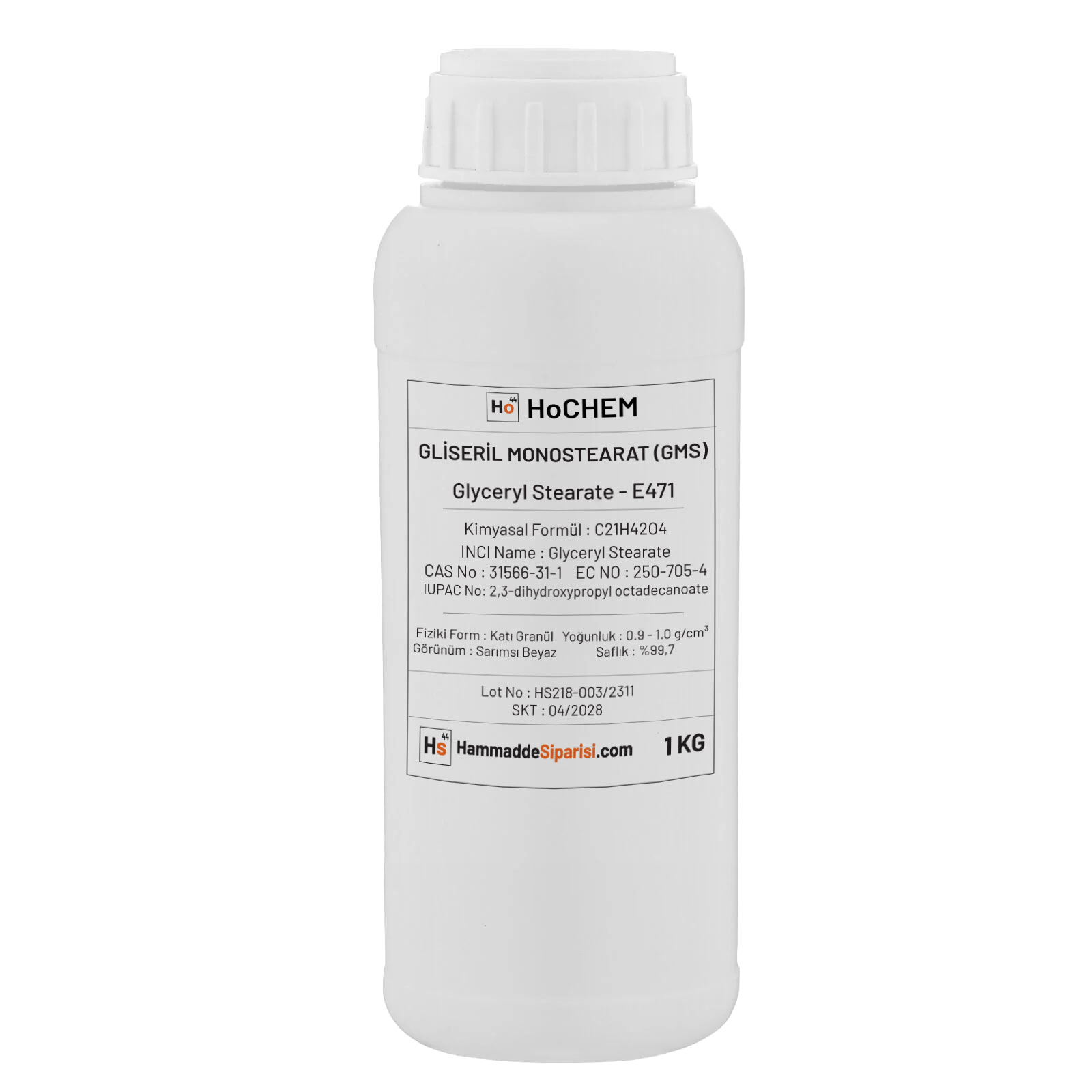
Glycerin Monostearate | Glyceryl Stearate | 31566-31-1 | GMS
395.00 ₺
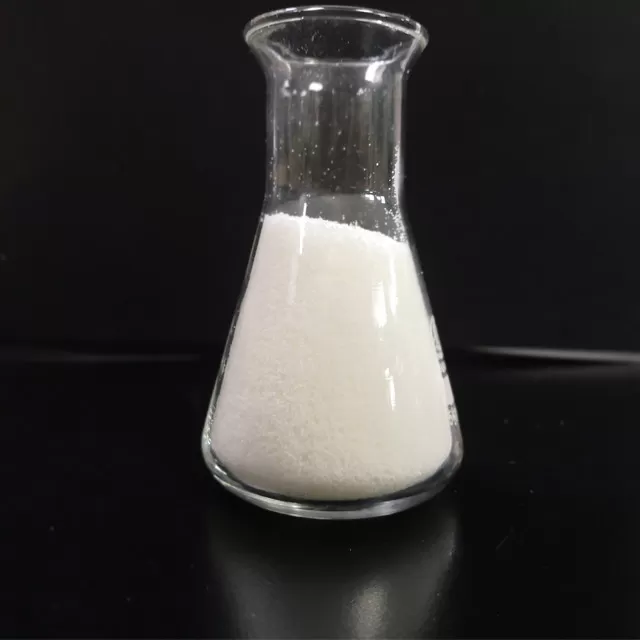
Glycerin monostearate, is an emulsifier obtained by esterification of stearic acid and glycerol. It provides a stabilizing effect in products by keeping water and oil phases together. It also leaves a moisturizing and softening effect on the skin. Glyceryl stearate, Glycerin stearate, Glycerin Monostearate are the same products.
- Chemical Name: Glycerides, C16-18 mono- and di-
- INCI Name: Glyceryl Stearate
- Pearl Name: Glyceryl Stearate
- General Trade Name: GMS, Glycerin Monostearate, Glyceryl Stearate, Glycerin Stearate, Arlacel 165, Teginovate GS, Tego Care 450
- English Name: Glyceryl Stearate
- Turkish Name: Glycerin Monostearate, Glyceryl Stearate or Glycerin Stearate
- CAS Number: 31566-31-1
- EC Number: 250-705-4/286-490-9
- IUPAC Number: 2,3-Dihydroxypropyl octadecanoate
- E Food Code: E471 (It is in the mono- and diglyceride class.)
Detailed Information About Glycerin Monostearate
General Information of the Product
- Chemical Name: Glycerides, C16-18 mono- and di-
- INCI Name: Glyceryl Stearate
- Pearl Name: Glyceryl Stearate
- General Trade Name: GMS, Glycerin Monostearate, Glyceryl Stearate, Glycerin Stearate, Arlacel 165, Teginovate GS, Tego Care 450
- English Name: Glyceryl Stearate
- Turkish Name: Glycerin Monostearate, Glyceryl Stearate or Glycerin Stearate
- CAS Number: 31566-31-1
- EC Number: 250-705-4/286-490-9
- IUPAC Number: 2,3-Dihydroxypropyl octadecanoate
- E Food Code: E471 (It is in the mono- and diglyceride class.)
1. Glycerin Brief Definition of Monostearat
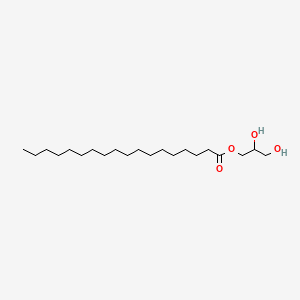
Glycerin monostearate, is an emulsifier obtained by esterification of stearic acid and glycerol. It provides a stabilizing effect in products by keeping water and oil phases together. It also leaves a moisturizing and softening effect on the skin. Glyceryl stearate, Glycerin stearate, Glycerin Monostearate are the same products.
2. Glycerin Areas of Use and Usage Rates of Monostearat
Areas of Use:
- In Cosmetic Products:
- Humidifiers
- Sunscreens
- Lotions and creams
- Hair care products
- In Food Products:
- Margarine
- Ice cream and sauces
- In Pharmaceutical Products:
- In tablet formulations and drug delivery agents.
Usage Rates:
- Kozmetik ürünlerde genellikle %1 – %10.
- %0.1 – %2 in food products.
3. Physical Properties of Glycerin Monostearate
- Chemical Formula: C21H42O4
- Molecular Weight: 358.56 g/mol
- Appearance: White or pale yellow, waxy solid or granule
- Smell: Light, characteristic odor
- Melting Point: 55-65°C
- Resolution: Insoluble in water, soluble in oil and organic solvents
- pH Value: 5-7 (neutral)
- Intensity: 0.9-1.0 g/cm³
- HLB Value: 3.8-5.4 (5-6 for Glyceryl Stearate SE)
- Melting Properties: When heated it becomes a homogeneous liquid.
- Stability: Resistant to oxidation, stable under light and heat
- Crystal Structure: Crystalline or waxy
- Emulsifier Type: Water in oil (O/W) emulsions
- Miscibility: Mixes with oils and forms an emulsion with water
- Hydroscopicity: Not hydroscopic
- Flash Point: >200°C
- Solidification Point: 20-30°C
4. Chemical Properties and Molecular Formula of Glycerin Monostearate
- Molecular Formula: C21H42O4
- Molecular Weight: 358.56 g/mol
- Chemical Properties:
- With its amphiphilic structure, it works as an emulsifier in oil-water mixtures.
- It has high thermal stability and is resistant to oxidation.
5. Other Names of Glycerin Monostearate
- Turkish: Glycerin Stearate, Glyceryl Monostearate, Glyceryl Stearate
- English: Glyceryl Monostearate, Glycerin Stearate
• Glyceryl monostearate • 123-94-4 • Monostearin • 31566-31-1 • GLYCEROL MONOSTEARATE • Glyceryl stearate • Tegin • 1-Stearoyl-rac-glycerol • 2,3-dihydroxypropyl octadecanoate • 1-MONOSTEARIN • Glycerin 1-monostearate • Glycerol 1-monostearate • Glycerol 1-stearate • Stearin, 1-mono- • Stearic acid 1-monoglyceride • 1-Glyceryl stearate • Glycerin 1-stearate • Sandin EU • 1-Monostearoylglycerol • Octadecanoic acid, 2,3-dihydroxypropyl ester • Aldo MSD • Aldo MSLG • Glyceryl 1-monostearate • Stearoylglycerol • alpha-Monostearin • Tegin 55G • Emerest 2407 • Aldo 33 • Aldo 75 • Glycerin monostearate • Arlacel 165 • 3-Stearoyloxy-1,2-propanediol • 11099-07-3 • Cerasynt SD • .alpha.-Monostearin • Monoglyceryl stearate • Glycerol alpha-monostearate • Cefatin • Dermagine • Monelgin • Sedetine • Admul • Orbon • Citomulgan M • 2,3-Dihydroxypropyl stearate • Drewmulse V • Cerasynt S • Drewmulse TP • Tegin 515 • Cerasynt SE • Cerasynt WM • Cyclochem GMS • Drumulse AA • Protachem GMS • Witconol MS • Witconol MST • FEMA No. 2527 • Glyceryl stearates • Monostearate (glyceride) • Stearin, mono- • Unimate GMS • Glyceryl monooctadecanoate • Ogeen M • Emcol CA • Emcol MSK • Hodag GMS • Ogeen GRB • Ogeen MAV • Aldo MS • Aldo HMS • Armostat 801 • Kessco 40 • Stearic monoglyceride • Abracol SLG • Arlacel 161 • Arlacel 169 • Imwitor 191 • Imwitor 900K • NSC 3875 • Atmul 67 • Atmul 84 • Starfol GMS 450 • Starfol GMS 600 • Starfol GMS 900 • Cerasynt 1000-D • Emerest 2401 • Aldo-28 • Aldo-72 • Atmos 150 • Atmul 124 • Estol 603 • Ogeen 515 • Tegin 503 • Grocor 5500 • Grocor 6000 • Glycerol stearate, pure • Stearic acid alpha-monoglyceride • Cremophor gmsk • Glyceryl 1-octadecanoate • Cerasynt-sd • Lonzest gms • Cutina gms • Lipo GMS 410 • Lipo GMS 450 • Lipo GMS 600 • glycerol stearate • 1-MONOSTEAROYL-rac-GLYCEROL • Nikkol mgs-a • Glyceryl monopalmitostearate • USAF KE-7 • 1-octadecanoyl-rac-glycerol • EMUL P.7 • 22610-63-5 • EINECS 204-664-4 • EINECS 245-121-1 • Stearic acid, monoester with glycerol • Glycerol .alpha.-monostearate • Glyceroli monostearas • Glycerol monostearate, purified • Imwitor 491 • Octadecanoic acid, ester with 1,2,3-propanetriol • Sorbon mg-100 • Cithrol gms 0400 • UNII-258491E1RZ • NSC3875 • 1-Stearoyl-rac-glycerol (90%) • Stearic acid .alpha.-monoglyceride • (1)-2,3-Dihydroxypropyl stearate • MONOSTEARIN (L) • NSC-3875 • 1-Monooctadecanoylglycerol • EINECS 250-705-4 • 1,2,3-Propanetriol monooctadecanoate • GLYCERYL 1-STEARATE • AI3-00966 • MG(18:0/0:0/0:0)[rac] • 85666-92-8 • DTXSID7029160 • CHEBI:75555 • EC 250-705-4 • GLYCERYL MONOSTEARATE 40-50 • MFCD00036186 • Octadecanoic acid, monoester with 1,2,3-propanetriol • 258491E1RZ • 1-Stearoyl-rac-glycerol (90per cent) • 83138-62-9 • NCGC00164529-01 • (+/-)-2,3-DIHYDROXYPROPYL OCTADECANOATE • DTXCID909160 • (R)-2,3-Dihydroxypropyl stearate • Celinhol – A • CAS-123-94-4 • Myvaplex 600 • rac-Glycerol 1-stearate • C21H42O4 • UNII-230OU9XXE4 • 1-Monooctadecanoyl-rac-glycerol • Celinhol-A • Glyceryl monostearate [JAN:NF] • MG 18:0 • (+/-)-2,3 -Dihydroxypropyl octadecanoate; 1-Glyceryl stearate; 1-Monooctadecanoylglycerol; 1-Monostearin • Eastman 600 • 1-O-stearoylglycerol • 1-octadecanoylglycerol • rac-octadecanoylglycerol • glycerol 1-octadecanoate • rac-glyceryl monostearate • Glycerol .alpha.-sterate • rac-1-monostearoylglycerol • DSSTox_CID_9160
6. Useful Links
7. Safety and Storage Information of Glycerin Monostearate
- Security:
- Eye contact should be avoided.
- Dust form should not be inhaled; use of a mask is recommended.
- Storage:
- It should be stored in a cool, dry place away from sunlight.
- Closed packaging that protects against moisture should be preferred.
8. Remarkable Information About Glycerin Monostearate
- It can be produced from natural and synthetic sources.
- Can be used in vegan cosmetic formulas.
- It extends the shelf life of products by keeping the water and oil phases together stably.
- It is known for its softening effect on the skin.
9. Differences Between Glycerin Monostearate and Glycerin Stearate
| Feature | Glyceryl Stearate | Glycerin Monostearate |
|---|---|---|
| Chemical Structure | Mono-, di-, triester mixture | More monoester structure |
| CAS Number | 31566-31-1 | 123-94-4 |
| Emulsifier Power | Intermediate level | Stronger stabilizer |
| Area of Use | Wide (cosmetics, food) | More in the cosmetics industry |
10. Frequently Asked Questions and Answers
- Is Glycerin Monostearate vegan?
Yes, it is considered vegan when produced from plant sources. - Is Glycerin Monostearate water soluble?
No, it is insoluble in water but soluble in oils and some organic solvents. - At what temperature does Glycerin Monostearate melt?
The melting point is between 55-65 °C. - Is it safe as a food additive?
Yes, it can be used safely in food grade (E471). - Is glyceryl stearate harmful to the skin?
No, it is generally skin-friendly and does not cause irritation. - Which cosmetic products are used in?
It is common in moisturizers, sunscreens, and hair care products. - Natural or synthetic?
It can be produced in both ways. - What are the storage conditions?
It should be stored in a cool and dry place and kept away from moisture. - Can it be used with other emulsifiers?
Yes, it often has a synergistic effect with other emulsifiers. - What is the shelf life of Glyceryl Monostearate?
It will last for 2 years under proper storage conditions.
| Weight | 1 kg |
|---|---|
| Case NO | 31566-31-1 |
| INCI Name | Glyceryl Stearate |
| PEARL Name | Glyceryl Stearate |
| English Name | Glyceryl Stearate |
| Amount | 1 Kg, 500 Gram |
| Brand | HoChem Chemistry |
| Food Code | E471 |
| Trade Name | GMS |
Sample Formula
Sample Moisturizing Cream Formulation with Glycerin Monostearate
Materials
- Stage: Oil Phase
- Glycerin Monostearate: %5
- Stearic Acid: %2
- Shea Butter: %3
- Jojoba Oil: %5
- Cetyl Alcohol: %2
- Vitamin E: %0.5
- Stage: Water Phase
- Saf Su (Deiyonize Su): %75
- Glycerin: %3
- Sodium PCA: %1 (Moisturizing agent)
- Stage: Active Ingredients
- Hyaluronic Acid (%1 solution): %2
- Preservative (e.g. Phenoxyethanol and Ethylhexylglycerin): %1
- Essence (Optional): %0.5
Production Steps
- Preparation of the Oil Phase:
- Mix all ingredients in the oil phase (Glyceryl Stearate, stearic acid, shea butter, jojoba oil and cetyl alcohol) in a mixer bowl.
- Heat the mixture to 70-75°C, stirring until completely homogeneous.
- Preparation of Water Phase:
- Mix the components in the water phase (water, glycerin, sodium PCA) in a separate container.
- Heat the water phase to 70-75°C.
- Emulsion Formation:
- Slowly add the water phase to the oil phase (over the oil phase), stirring constantly to form the emulsion.
- You can use a high speed mixer to make the mixture homogeneous.
- Cooling and Adding Active Ingredients:
- Once the emulsion has cooled to 40°C, add the active ingredients (hyaluronic acid, preservative, essence).
- Stir the mixture thoroughly until it becomes homogeneous.
- Filling:
- Fill the product into sterilized containers and label.
Frequently Asked Questions
Frequently Asked Questions and Answers About Glyceryl Monostearate
General Information
- What is Glyceryl Monostearate?
Glyceryl stearate is an emulsifier derived from vegetable oils. It creates a stable structure in cosmetic products by allowing oil and water to mix. - How to obtain Glyceryl Monostearate?
Glyceryl stearate is produced by the esterification of vegetable-derived glycerin with stearic acid. - Is Glyceryl Monostearate natural?
Yes, it is a natural ingredient as it is usually derived from vegetable oils. - Are Glyceryl Monostearate and Glyceryl Stearate SE the same?
No, Glyceryl Stearate SE (Self-Emulsifying) has the capacity to emulsify itself when supported by additional soaps. - Is Glycerin Monostearate vegan?
If it is derived from vegetable oils, it is a vegan ingredient, but it is important to get verification from the manufacturer.
Areas of Use
- What is Glycerin Monostearate used for?
It is used as an emulsifier in cosmetic products and also provides softness and moisture to the skin. - Which products contain glycerin monostearate?
It is frequently used in skin care creams, lotions, shampoos, hair conditioners, sunscreens and make-up products. - Why is it used in skin care?
Glyceryl stearate moisturizes and softens the skin, and also increases the stability of products. - How is Glyceryl Stearate SE different?
Glyceryl Stearate SE is a mild emulsifier that may be more suitable for oily skin. - Is Glycerin Monostearate used in the food industry?
Yes, it is known as E471 in the food industry and is used as an emulsifier.
Safety and Side Effects
- Is Glycerin Monostearate safe?
Yes, it has been approved by cosmetic regulatory authorities as safe. - Does Glycerin Monostearate cause allergies?
It is generally hypoallergenic, but may occasionally cause reactions on sensitive skin. - Is Glycerin Monostearate comedogenic?
It has low comedogenic properties and generally does not clog pores. - Is it safe to use Glycerin Monostearate during pregnancy?
Yes, it is generally safe. However, the product label and medical advice should be followed. - Can it be used in children's products?
Yes, it is widely used even in baby products.
Physical and Chemical Properties
- What form is Glycerin Monostearate in?
It is in the form of a white, waxy solid or granules. - Is Glycerin Monostearate water soluble?
No, it is oil soluble but can form an emulsion when mixed with water. - What is the temperature resistance of Glyceryl Stearate?
It is mostly processed between 50-80°C, so it is stable at high temperature. - What is the pH of Glycerin Monostearate?
It has a neutral pH and provides stability in formulations. - What is the emulsion type of Glycerin Monostearate?
It is generally used in O/W (water in oil) emulsions.
Formulation and Use
- How much Glycerin Monostearate should be used?
It is used at a ratio of %2-5 depending on the formulation. - What can be used instead of Glycerin Monostearate?
Other emulsifiers such as Cetearyl Alcohol or Polysorbate 60 may be alternatives. - How to mix Glycerin Monostearate?
It is first added to the oil phase and homogenized by heating. - What is the advantage of Glycerin Monostearate SE?
It both increases emulsion stability and facilitates the production process. - What should be considered when working with Glycerin Monostearate?
The correct temperature must be provided for complete dissolution in the oil phase.
Impact and Performance
- Is Glycerin Monostearate a humectant?
Yes, it helps retain moisture in the skin. - What is the effect of Glyceryl Stearate on the skin barrier?
It helps to strengthen the skin barrier and reduce moisture loss. - What is the use of Glycerin Monostearate in hair care?
It softens the hair, makes it easy to comb and nourishes the hair strands. - Is Glycerin Monostearatt used in anti-aging products?
Yes, it helps alleviate signs of aging by strengthening the skin barrier. - How does Glycerin Monostearate feel on the skin?
It leaves a light, silky feel on the skin and does not leave an oily feeling.
1 review for Gliserin Monostearat | Glyceryl Stearate | 31566-31-1 | GMS
Add a review
Related products


Cosmetic Raw Materials


General Chemicals

Detergent Chemicals


Cosmetic Raw Materials
Paraffin Wax | Wax & Vaseline Paraffin | Slack Wax | 64742-61-6


General Chemicals
General Chemicals


Detergent Chemicals


Detergent Chemicals

 Turkish
  English
Ahmet is an orphan –
Quality product, good information provided