



Do not hesitate to ask us all the questions you have in mind, we are just a click away for all kinds of questions and information. Call us now and let us answer your questions.
Sodium Hydroxide Beads | 1310-73-2
395.00 ₺
Sodium Hydroxide Beads is a strong basic chemical compound. When it reacts with water, it releases heat as a result of an exothermic reaction. It has a wide range of uses in industrial and laboratory applications.
Chemical Name: Sodium Hydroxide
Pearl Name: Sodium Hydroxide
Generic Trade Name (if any): Caustic Soda, NaOH Beads, Caustic Soda, Caustic Soda
English Name: Sodium Hydroxide Beads
Turkish Name: Sodium Hydroxide Beads
CAS Number: 1310-73-2
EC Number: 215-185-5
IUPAC Number: Sodium Hydroxide
Sodium Hydroxide Beads General Information
- Chemical Name: Sodium Hydroxide
- Pearl Name: Sodium Hydroxide
- Generic Trade Name (if any): Caustic Soda, NaOH Beads, Caustic Soda, Caustic Soda
- English Name: Sodium Hydroxide Beads
- Turkish Name: Sodium Hydroxide Beads
- CAS Number: 1310-73-2
- EC Number: 215-185-5
- IUPAC Number: Sodium Hydroxide
1. Brief Description of Sodium Hydroxide Beads
Sodium Hydroxide Beads is a strong basic chemical compound. When it reacts with water, it releases heat as a result of an exothermic reaction. It has a wide range of uses in industrial and laboratory applications. The word bead refers to its physical appearance and extra purity. It is purer than flake caustic. Flake caustic has a flaky appearance, while bead caustic is round.
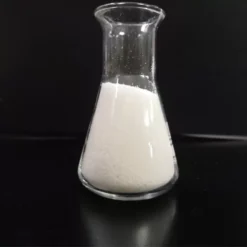
Sodium hydroxide beads appear as a solid white solid. It is corrosive to metals and tissues. It is used in chemical manufacturing, petroleum refining, cleaning compounds, drain cleaners.
2. Areas of Use
- Chemical Industry:
- Soap and Detergent Production: Sodium hydroxide is a basic ingredient in the production of soaps and detergents. It is used for the saponification of fats and fatty acids. This process converts fats into water-soluble soaps.
- Textile Production: It is used in the textile industry during the processing and dyeing of fabrics. It is used to make cotton fabrics softer and for dyes to penetrate the fabric better.
- Paper Production: It is used to dissolve lignin and separate cellulose fibers during pulp processing. This allows for the production of brighter, higher quality paper products.
- Water Purification:
- pH Regulator: It is used in water treatment plants to regulate the pH level of water and neutralize acidic water. This process helps to bring the water into compliance with drinking water standards.
- Food Industry:
- Food Processing: In the food industry, it is used during the processing of certain foods. For example, it is involved in processes such as olive peeling, cocoa and chocolate production, and caramel production.
- Food Preservation: It is used to peel fruits and vegetables, preserve the color of food products and maintain pH balance.
- Petroleum Industry:
- Refining: It is used in oil refineries during the processing and purification of crude oil. In particular, it is used to remove sulfur compounds and neutralize acidic compounds.
- Cleaning Products:
- Drain Cleaners: Sodium hydroxide is used as an active ingredient in household and industrial drain cleaners. It is a powerful solution for unclogging pipes, quickly dissolving grease and organic matter.
- Degreasers: It is used in kitchen and industrial cleaning products as a strong degreaser. It is effective in cleaning oily surfaces.
- Laboratory Use:
- Chemical Reactions: It is used as a reagent in various chemical reactions in chemistry laboratories. It is especially widely used in titration processes and pH adjustments.
- Reagent Preparation: It is used in the preparation of various laboratory reagents.
- Agriculture:
- Pesticide and Herbicide Formulations: It is used in agriculture, in pesticide and herbicide formulations. It is used to protect against plant pests and diseases.
- Metalworking:
- Metal Coating and Cleaning: It is used in cleaning metal surfaces, preparation before coating and corrosion prevention processes. It is especially common in the processing of metals such as aluminum.
- Electrophoresis: It is used in metal coatings and electrophoresis processes.
- Pharmaceutical Industry:
- Drug Synthesis: It is used in the synthesis of many drugs and pharmaceutical compounds. In particular, it plays an important role in the production of some antibiotics and other drugs.
Sodium hydroxide beads are a critical component in many industrial and commercial applications due to their wide range of uses. Each use utilizes the chemical properties of sodium hydroxide to make certain processes more efficient and effective.
3. Physical Properties of Sodium Hydroxide Beads
Physical Condition: Solid (Bead)
Colour: White
Smell: Odorless
Taste: Bitter and burning
Intensity: 2.13 g/cm³
Melting Point: 318°C
Boiling point: 1390°C
4. Sodium Hydroxide Beads Chemical Properties and Molecular Formula
Chemical Formula: NaOH
Chemical Group: Alkali metal hydroxides
pH Value: 13 (in 1 M solution)
Chemical Reactivity: It reacts strongly with water and acids. It reacts with carbon dioxide and moisture to form sodium carbonate.
5. Sodium Hydroxide Other Names
- Other Turkish Names: Caustic Soda, NaOH Beads, caustic soda
- Other Names in English: Caustic Soda, Lye
SODIUM HYDROXIDE
1310-73-2
Caustic soda
Sodium hydrate
Aetznatron
Soda lye
White Caustic
Ascarite
Soda, caustic
Sodium hydroxide
Rohrputz
Plunge
Liquid plumr
FOURERS ROHR
Rohrreiniger Rofix
NaOH
Hydroxyde sodium
Sodium hydroxide (Na(OH))
Natrium hydroxyde
Collo-Grillrein
Collo-Tapetta
Soda, hydrate
Sodium hydroxide dimer
Natrium causticum
Soda, caustic
Lewis - red devil lye
Sodio(semi-transparent)
Stamperprep
Caustic soda, liquid
Sodium(hydroxyde)
Caswell No. 773
sodium;hydroxide
Tosoh pearl
Sodium hydroxide (Na2(OH)2)
Sodium hydroxide, pellets
Sodium hydroxide, reinstes
UN 1823 (solid)
Promoter 3308b
HSDB 229
soude caustic
81133-20-2
Natrii hydroxydum
EINECS 215-185-5
LYE
MFCD00003548
EPA Pesticide Chemical Code 075603
NSC 135799
NSC-135799
6. Useful Links
Sodium Hydroxide Product Information Sheet: National Center for Biotechnology Information (2024). PubChem Compound Summary for CID 14798, Sodium Hydroxide. Retrieved May 26, 2024 https://pubchem.ncbi.nlm.nih.gov/compound/Sodium-Hydroxide.
Sodium Hydroxide Product Safety Data Sheet (SDS): National Center for Biotechnology Information (2024). PubChem Compound LCSS for CID 14798, Sodium Hydroxide. Retrieved May 26, 2024 https://pubchem.ncbi.nlm.nih.gov/compound/Sodium-Hydroxide#datasheet=LCSS.
7. Sodium Hydroxide Beads Safety and Storage Information
Security Information:
- Avoid contact with skin and eyes; may cause severe burns.
- Wear protective gloves, eyewear and clothing.
- Avoid inhalation as it may damage the respiratory tract.
- Avoid mixing with acids as it may cause violent reactions.
Storage Information:
- Store in a cool, dry and well-ventilated place.
- Protect from moisture, avoid contact with water.
- Keep in original closed containers.
| Weight | 1 kg |
|---|---|
| Case NO | 1310-73-2 |
| INCI Name | Sodium Hydroxide |
| English Name | Sodium Hydroxide |
| Amount | 1 Kg, 500 Gram |
| Brand | HoChem Chemistry |
1 review for Sodyum Hidroksit Boncuk | 1310-73-2
Add a review
Related products


All Raw Materials


All Raw Materials
Glycerin Monostearate | Glyceryl Stearate | 31566-31-1 | GMS

All Raw Materials


All Raw Materials
Paraffin Wax | Wax & Vaseline Paraffin | Slack Wax | 64742-61-6


All Raw Materials


All Raw Materials


All Raw Materials

 Turkish
  English
Jasmine Mountain –
Quality product